 559-221-3170
 559-225-3174
 Back Home
How Multi-Family Property Inspections Prevent Costly Repairs and Liability Issues
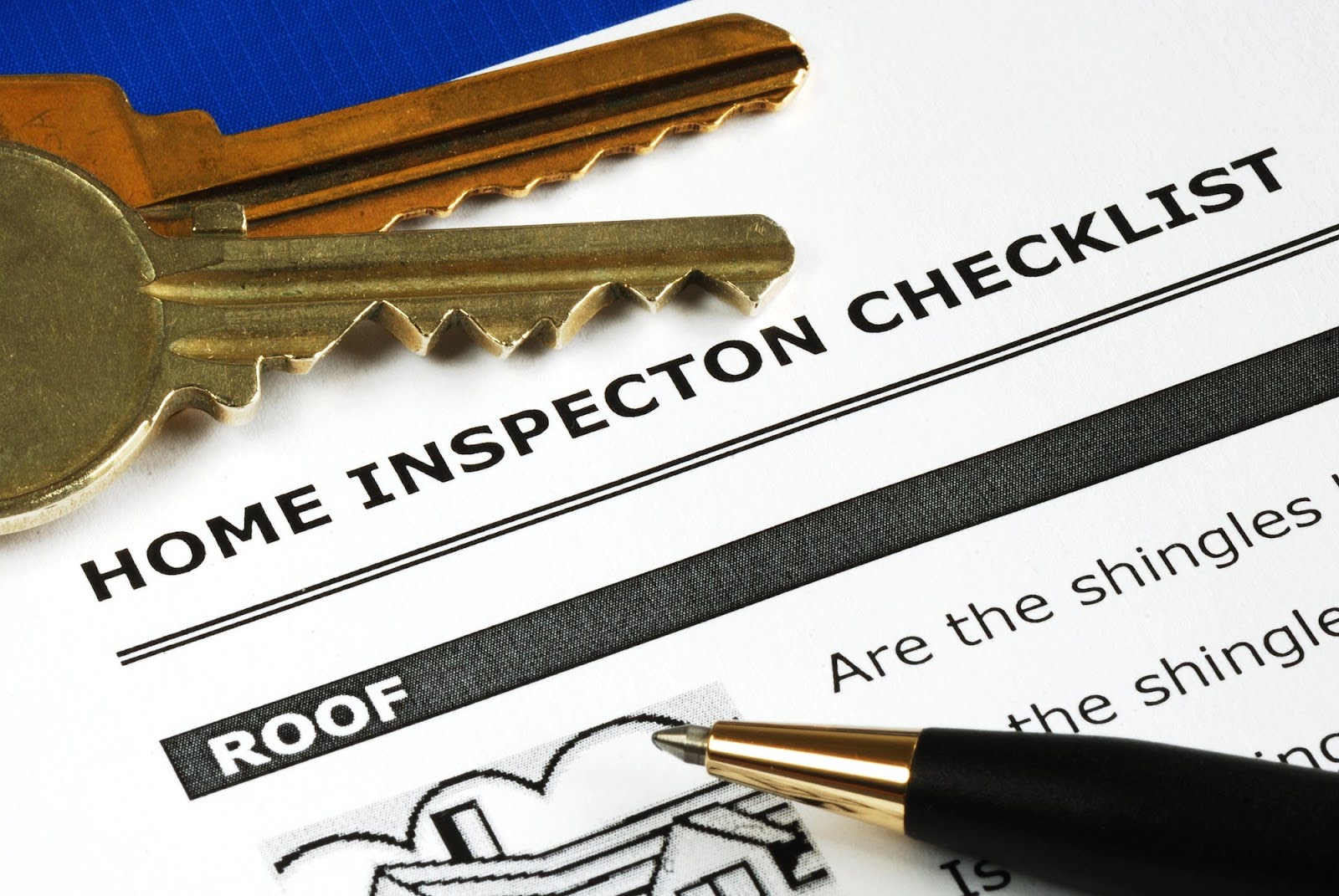
Multi-family properties carry more moving parts than single-family rentals. More units mean more plumbing lines, more electrical panels, more common areas, and more daily wear. According to research, deferred maintenance remains one of the leading causes of large-scale repair costs and liability claims in rental housing. A minor roof leak that goes unchecked can turn into structural damage. A loose stair rail can become a personal injury claim.
In multi-family housing, small issues rarely stay small. That is why structured, consistent inspections are not just routine tasks. They are a core part of responsible real estate operations.
This article explains how multi-family property inspections reduce repair costs, limit liability exposure, protect tenant safety, and support long-term asset performance.
What Is Involved in a Multi-Family Property Inspection?
A multi-family property inspection is more detailed than many owners expect. It is not a quick walk-through. It is a structured review of building systems, individual units, exterior components, and shared spaces.
The scope depends on property size, age, and layout. For apartment communities, inspections may include unit sampling schedules. For smaller duplex or fourplex properties, each unit may be reviewed more frequently.
In residential property management services, inspections often include:
- Exterior building condition, roofing, drainage, siding, paint, and foundation visibility
- Stairwells, balconies, handrails, walkways, and lighting
- Fire safety systems, alarms, extinguishers, and exit access
- HVAC systems and ventilation
- Plumbing leaks and water heater condition
- Electrical panels and visible wiring concerns
- Interior unit condition during move-in, move-out, and periodic reviews
- Common amenities such as laundry rooms, parking areas, and landscaping
How Do Inspections Identify Structural and Safety Issues Early?
Structural and safety concerns rarely appear overnight. They develop gradually. Regular inspections allow property managers to identify warning signs before damage spreads.
Here is how inspections identify structural and safety issues early:
- Water intrusion detection. Early signs include ceiling stains, peeling paint, or soft drywall. Catching these signs prevents mold growth and framing deterioration.
- Foundation movement indicators. Cracks in walls, uneven doors, or shifting exterior slabs can signal structural stress.
- Stair and balcony wear. Loose railings or weakened supports create immediate liability risk.
- Electrical hazards. Scorched outlets or outdated panels increase fire exposure.
- Roof deterioration. Small membrane tears or missing shingles often go unnoticed until interior damage appears.
How Do Routine Inspections Reduce Long-Term Repair Costs?
Small repairs cost far less than major replacements. Replacing a flashing section on a roof is far less expensive than replacing framing damaged by years of moisture. Tightening balcony anchors costs far less than addressing structural reinforcement after failure.
Inspection and maintenance planning for property managers follows a simple principle. Address minor issues on schedule rather than responding to emergencies.
What Is the Impact of Inspections on Tenant Safety and Liability?

The impact of inspections on tenant safety and liability is substantial, especially in multi-family communities where shared spaces experience constant use. Staircases, parking lots, walkways, lighting systems, railings, and common entry points must remain safe and functional at all times. In properties with multiple households, even a small hazard can affect dozens of residents in a single day.
Routine inspections reduce the likelihood of trip-and-fall incidents, poor lighting conditions, fire code violations, balcony or railing instability, and moisture issues that can lead to mold growth. These risks rarely appear suddenly. More often, they develop gradually and become dangerous when left unaddressed. A loose stair tread, a dim parking lot light, or a minor roof leak may seem insignificant at first. Over time, those conditions can expose owners to injury claims and property damage disputes.
Liability cases often involve hazards that existed long before an incident occurred. Consistent inspection schedules, paired with documented maintenance follow-through, demonstrate responsible oversight. When property managers can show that safety concerns were routinely reviewed and corrected, owners stand in a stronger position to protect their interests.
Inspections also contribute to tenant confidence. Residents feel secure when they see management address concerns promptly and proactively maintain common areas. This visible care reduces complaints, supports lease renewals, and strengthens the property’s reputation. Safety is not only a legal responsibility. It directly influences occupancy stability and long-term performance.
What Common Issues Are Found in Multi-Family Property Inspections?
Common issues found in multi-family property inspections include:
- Minor plumbing leaks under sinks and behind appliances
- HVAC filters not replaced on schedule
- Roof flashing wear around vents and skylights
- Caulking failure around windows and tubs
- Exterior wood trim deterioration
- Stair tread wear and loose fasteners
- GFCI outlets not functioning properly
- Dryer vent blockages in shared laundry areas
How Often Should Multi-Family Properties Be Inspected?
Inspection frequency depends on the size of the property, the age of the building systems, and the overall risk profile. A small fourplex built within the last decade will not require the same level of review as a large, older apartment community with aging mechanical systems. A structured schedule creates consistency and protects the asset over time.
Additionally, seasonal inspections play an important role in multi-family operations. Roof systems and drainage components are checked before and after periods of heavy rain. HVAC systems receive attention before peak summer demand. Pre-renewal assessments also help identify maintenance items to address before extending a lease.
Consistency matters more than intensity. Regular, documented inspections create measurable results, support long-term budgeting, and reduce costly surprises.
How Do Inspections Fit Into Best Practices for Multi-Family Property Management?
Best practices for multi-family property management rely on three pillars: maintenance planning, communication, and documentation. In property management services, inspection findings are logged, assigned to maintenance teams, and tracked to completion. This workflow ensures that concerns do not linger.
Inspections tie all three together.
- Maintenance planning becomes data-driven when inspection notes guide budgeting. Instead of reacting to emergencies, managers schedule capital improvements strategically.
- Communication improves when tenants see consistent upkeep. Residents report issues faster when they trust management.
- Documentation protects ownership. Detailed records show that hazards were identified and corrected promptly.
How Do Inspections Protect Long-Term Asset Value?
Inspections protect long-term asset value by keeping the property in strong physical condition and preventing costly surprises. Multi-family properties are valued based on income and overall condition. When maintenance issues are ignored, the property’s value drops because buyers and lenders factor in future repair costs.
Regular inspections catch small problems before they turn into major expenses. A minor roof issue, plumbing leak, or HVAC concern can be repaired at a lower cost when identified early. If left alone, those same issues can damage multiple units and require expensive replacements. Preventive care helps extend the life of major systems and reduces sudden capital expenses.
Inspections also protect income. Well-maintained properties attract better tenants and support higher renewal rates. Clean common areas, safe walkways, and properly functioning systems improve tenant satisfaction and reduce turnover. Stable occupancy strengthens net operating income, which directly impacts property valuation.
When owners decide to refinance or sell, documented inspection and maintenance records show responsible management. Buyers view organized properties as lower risk. That confidence often leads to stronger offers and smoother transactions.
In simple terms, inspections protect asset value by preventing deterioration, controlling repair costs, and supporting steady rental income.
What Role Do Professional Property Management Services Play in Inspection Oversight?

- Dedicated property managers assigned to specific communities
- Scheduled inspection calendars
- Licensed and insured maintenance vendors
- Digital recordkeeping and reporting
- 24-hour emergency response coordination
Protect Your Investment With Structured Inspection Programs
Multi-family inspections are not routine checklists. They are financial protection tools. They prevent minor issues from escalating into major capital expenses. They reduce liability exposure. They support tenant safety. They preserve long-term property value.
At Regency Property Management, we approach inspections as part of a broader commitment to responsible asset management. Our team provides structured property management and inspection services designed to protect multi-family investments across Fresno and surrounding communities.
If you own a multi-family property and want to strengthen your maintenance strategy, contact us today. Let Regency Property Management help you protect your asset, reduce risk, and maintain strong occupancy for years to come.
Frequently Asked Questions
How detailed should documentation be during a multi-family inspection?
Inspection documentation should go beyond short notes. A professional inspection record includes written observations, date and time stamps, unit numbers, and clear photo evidence. Maintenance follow-up should also be logged with completion dates and vendor details. Detailed documentation protects ownership in the event of disputes, insurance reviews, or legal claims. It also improves budgeting accuracy and maintenance tracking over time.
Can tenants refuse entry for scheduled inspections?
California law allows property owners and managers to enter a rental unit with proper written notice for legitimate purposes such as inspections, repairs, or maintenance. Notice requirements must be followed carefully. Clear communication with residents reduces misunderstandings and helps inspections proceed smoothly. Professional management teams handle notice delivery and scheduling in compliance with state regulations.
Are inspections required to meet local housing regulations in Fresno?
Local and state housing standards require rental properties to remain safe and habitable. While not every property must undergo government-mandated inspections on a fixed schedule, owners are legally responsible for maintaining code compliance. Routine internal inspections help ensure smoke detectors, water heaters, stair systems, and structural components meet safety expectations. Staying proactive reduces exposure to city violations or tenant claims.
Should capital improvement planning be tied to inspection results?
Yes. Inspection findings should inform capital improvement planning. When recurring issues appear, such as aging roofs or outdated plumbing lines, managers can forecast replacement timelines instead of reacting to failure. Aligning inspections with long-term improvement plans stabilizes expenses and prevents sudden financial strain.
Do multi-family inspections affect property insurance premiums?
They can. Insurance providers review maintenance history and claim frequency when assessing risk. Properties with documented inspection programs and timely repairs often present lower risk profiles. While premiums depend on multiple factors, strong inspection oversight supports responsible ownership and may strengthen underwriting discussions.